

Browsing raw acreage across inland Strafford County, NH, or York County, ME, often feels like discovering a hidden treasure map. You spot a wooded, scenic two-acre parcel priced dramatically lower

Dated: September 1 2026
Views: 14
If you’ve lived in coastal New Hampshire or Southern Maine through a wet summer, you know the unspoken rule of local real estate: it’s not a matter of if water wants into a basement, but where it plans to enter.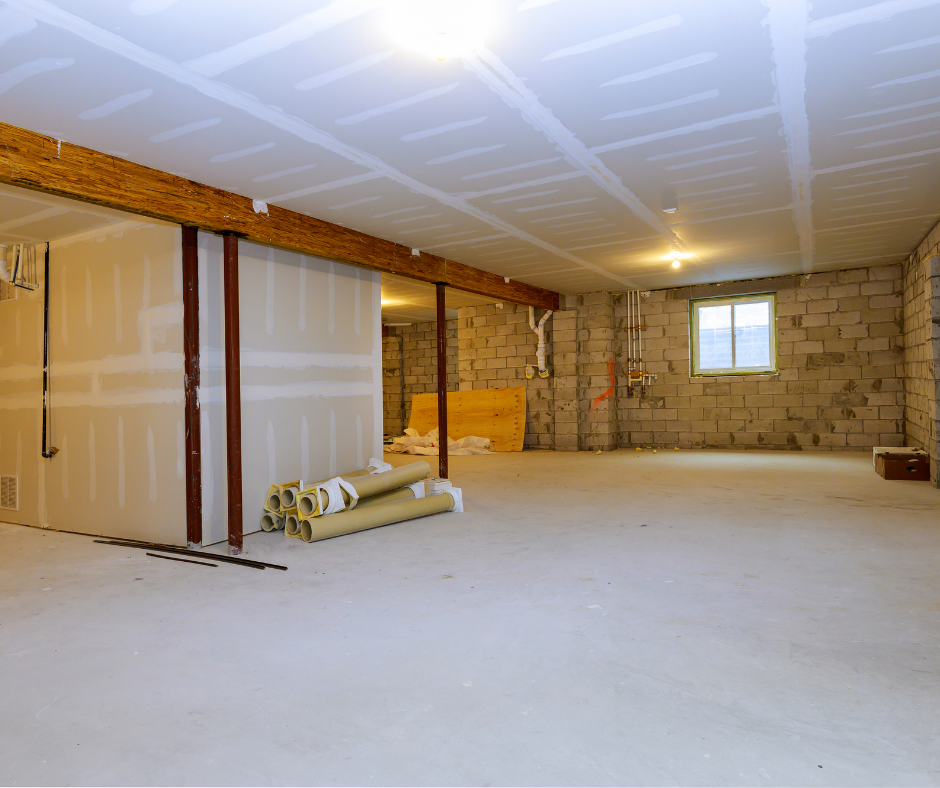
Between dense clay soils, low-elevation coastal zones, and high spring-to-summer water tables, Seacoast basements work hard year-round. Whether you’re eyeing a historic 1850s farmhouse in Exeter or a 1990s subdivision home in York, performing a thorough "Basement Audit" before buying can save you thousands in unexpected moisture mitigation.
Here is how to evaluate water management systems across different eras of coastal New England architecture.
If you fall in love with a historic Seacoast home, accept one reality upfront: a 19th-century cellar was designed to breathe, not to stay bone-dry. Fieldstone and brick foundations were built to handle ground moisture, not seal it out completely.
[ Fieldstone / Mortar Wall ] ──► Damp Dirt / Ledge Floor ──► Vapor Barrier + Dehumidifier + Exterior DrainageWhat to Look For: Check for crumbling lime mortar (efflorescence), standing water in corners, and structural settlement.
Vapor Barriers & Dehumidification: Look for a heavy-duty, commercial-grade vapor barrier (at least 12-mil or 20-mil plastic) covering dirt floors, ideally paired with a hardwired Santa Fe or Aprilaire basement dehumidifier.
Red Flags: Spray foam applied directly over damp fieldstone walls without proper water management behind it can trap moisture, deteriorating the original mortar.
Cinder block foundations offer structural strength, but their hollow cores make them vulnerable to water retention and hydrostatic pressure from surrounding clay soil.
Egress & Efflorescence: Look for white, powdery mineral deposits (efflorescence) along lower block seams. This indicates water has been actively traveling through the concrete.
Perimeter Drains (French Drains): Inspect whether an internal perimeter drain system has been retrofitted. These systems channel water beneath the slab into a collection basin before it can pool on your floor.
Horizontally Cracked Block Lines: Horizontal cracking along mortar joints is a warning sign that saturated clay soil outside is exerting heavy pressure against the foundation.
Modern poured concrete foundations are far more impervious to water, but they are still subject to high water tables in towns like Portsmouth, Hampton, and Kittery.
[ Poured Wall ] ──► Interior/Exterior Perimeter Tile ──► Primary Sump Pump ──► Battery Backup + Check ValveThe Ultimate Sump Pump Configuration: In high-water-table zones, a single sump pump isn’t enough. Look for a dual-pump setup featuring:
A primary AC-powered sump pump.
A secondary battery-backup pump (or water-powered backup) to keep running during severe storm power outages.
Clear check valves on discharge lines to prevent pumped water from flowing backward.
Exterior Grading & Downspouts: Ensure gutters discharge water at least 6 to 10 feet away from the foundation wall. Proper surface slope carries 80% of the water management load.
Take a flashlight and a keen eye down into the basement during your next walkthrough:
Smell test: Musty, moldy odors usually mean hidden moisture behind finishes or inadequate air exchange.
Check the sump pit: Is it dry, or is it actively holding water during dry weeks?
Inspect joists & sills: Look for water staining or wood rot along the rim joists and sill plates.
Examine discharge lines: Verify where the sump pump expels water outside. It should run downhill away from the structure, not right back onto the foundation.
A damp basement shouldn't necessarily derail your dream home purchase—most water issues are solvable with proper grading, perimeter drainage, and reliable sump configurations. Knowing what lies beneath the floorboards allows you to budget smart and make confident offers.
Looking for a home on the NH Seacoast or Southern Maine? Reach out to our team today to connect with local property experts who know how to evaluate homes from the attic to the foundation!
Browsing raw acreage across inland Strafford County, NH, or York County, ME, often feels like discovering a hidden treasure map. You spot a wooded, scenic two-acre parcel priced dramatically lower
If you’ve lived in coastal New Hampshire or Southern Maine through a wet summer, you know the unspoken rule of local real estate: it’s not a matter of if water wants into a basement, but
Without a state income tax or general sales tax, New Hampshire relies heavily on local property taxes to fund schools, public safety, and infrastructure. Under state law, cities and towns—from
Owning a coastal New England property comes with undeniable perks—morning ocean breezes, sweeping marsh views, and unbeatable lifestyle appeal. However, navigating the modern insurance
 Massachusetts MLS Property Info Network (MLSPIN) - The property listing data and information set forth herein were provided to MLS Property Information Network, Inc. from third party sources, including sellers, lessors and public records, and were compiled by MLS Property Information Network, Inc. The property listing data and information are for the personal, non commercial use of consumers having a good faith interest in purchasing or leasing listed properties of the type displayed to them and
may not be used for any purpose other than to identify prospective properties which such consumers may have a good faith interest in purchasing or leasing. MLS Property Information Network, Inc. and its subscribers disclaim any and all representations and warranties as to the accuracy of the property listing data and information set forth herein. Last Update: September 25, 2026 12:47 PM UTC
Show More...
Massachusetts MLS Property Info Network (MLSPIN) - The property listing data and information set forth herein were provided to MLS Property Information Network, Inc. from third party sources, including sellers, lessors and public records, and were compiled by MLS Property Information Network, Inc. The property listing data and information are for the personal, non commercial use of consumers having a good faith interest in purchasing or leasing listed properties of the type displayed to them and
may not be used for any purpose other than to identify prospective properties which such consumers may have a good faith interest in purchasing or leasing. MLS Property Information Network, Inc. and its subscribers disclaim any and all representations and warranties as to the accuracy of the property listing data and information set forth herein. Last Update: September 25, 2026 12:47 PM UTC
Show More...
 Copyright 2026 PrimeMLS. All rights reserved. This information is deemed reliable, but not guaranteed. The data relating to real estate displayed on
this Site comes in part from the IDX Program of PrimeMLS. The information
being provided is for consumers' personal, non-commercial use and may
not be used for any purpose other than to identify prospective properties
consumers may be interested in purchasing. Data last updated September 25, 2026 12:55 PM UTC
Copyright 2026 PrimeMLS. All rights reserved. This information is deemed reliable, but not guaranteed. The data relating to real estate displayed on
this Site comes in part from the IDX Program of PrimeMLS. The information
being provided is for consumers' personal, non-commercial use and may
not be used for any purpose other than to identify prospective properties
consumers may be interested in purchasing. Data last updated September 25, 2026 12:55 PM UTC
 Listing data is derived in whole or in part from the Maine IDX and is for consumers' personal, non commercial use only. Dimensions are approximate and not guaranteed. All data should be independently verified ©2026 Maine Real Estate Information System, Inc. All Rights Reserved.
